Volvo Buses
South Africa
A sustainable minerals program to protect human rights
We are committed to respecting human rights across the value chain. By implementing the Volvo Group Sustainable Minerals Program among our suppliers, we’ve created transparency across our supply chain that is supporting our efforts to source materials in a responsible way.
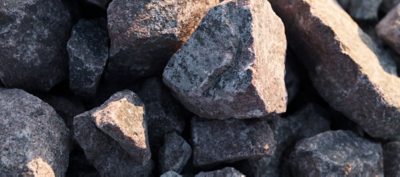
Responsible mineral sourcing
Certain materials we use in our products are in limited supply throughout the world, which may lead to a variety of difficulties such as an increased risk of corruption or human rights violations. This is because the mining of valuable minerals can sometimes generate conflict in potentially unstable areas. That’s why we’ve implemented a dedicated program for our suppliers: the Sustainable Minerals Program.
“It’s a collaborative work with our suppliers. They gather information on where they are sourcing their minerals from, and we inform them on the results and potential risks. We request continuous improvement actions on suppliers that have been flagged if the supply chain is connected to mines or smelters of interest,” says Purchasing Sustainability Manager Hadja Seydi, based in France.
Strict processes to protect human rights
Hadja Seydi has taken on the challenge of responsible and sustainable sourcing on many levels. She’s been part of defining Volvo Buses’ strategy for purchasing, creating training programs and webcasts for internal employees and suppliers – and she oversees (together with a Volvo Group network of other Sustainability Managers) the Sustainable Minerals Program to ensure compliance and protection of human rights.
“It’s very important for us to make sure that we avoid any mineral sourcing strategies that may be connected to environmental or human rights abuses,” she says. The Sustainable Minerals Program focuses on sustainably sourcing tin, tungsten, tantalum, gold and cobalt from conflict-affected and high-risk areas.
“With improved processes, ongoing discussions, audits and alternative sourcing strategies, we are continuously working on increasing our supply chain transparency and are mitigating our risk of contributing to environmental and human rights violations,” Hadja Seydi continues.
How the Sustainable Minerals Program works
1. Our suppliers provide us with detailed information about their parts and what they’re made of.
2. We, with the support of the Environment and Substance Compliance Manager, identify parts that contain tantalum, tin, tungsten, gold and cobalt and target these suppliers.
3. The targeted suppliers provide further information about their different due diligence on mineral sourcing strategies.
4. A third-party company checks the data via an external platform and informs us if any of the identified minerals may be at risk of causing human rights abuses by being connected to smelters of interest flagged by the Responsible Minerals Initiative (RMI).
5. We report the results and start numerous improvement actions.

It’s not just about compliance, it’s about transparency, continuous improvement and really about sustainable change.
By 2025, our target is to have all our suppliers onboard the program – supporting the overarching ambition to limit the use of materials and substances of concern.
Continuous improved implementation of our dedicated supplier Sustainable Minerals Program, together with focused efforts to reduce the dependency on these materials, is our way forward. “It’s not just about compliance, it’s about transparency, continuous improvement, and really about sustainable change,” Hadja Seydi concludes.

The big picture
As part of Volvo Group, we’re committed to respecting human rights and the environment across the value chain. Alongside our Sustainable Minerals Program, there are other major initiatives in place that ensure we deliver on this commitment.