Volvo Buses
Global


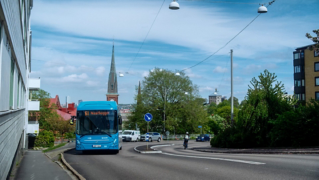
Five years after Gothenburg introduced 170 electric buses in a single night, the impact can be felt across the city. Cleaner air, quieter streets, and an improved experience for both passengers and drivers have turned a bold transport initiative into a blueprint for others.
Located at the heart of Sweden’s west coast, Gothenburg is the anchor of a region home to around one million people. Its public transport network combines buses, trams, commuter trains, and ferries to keep the region moving. As part of its broader sustainability goals, the region aims to electrify public transport by 2030.
When Gothenburg launched its 170 electric buses in December 2020, Västtrafik, the region’s public transport authority, did something unexpected: they deployed the entire fleet overnight. The scale was unusual, the technology was still emerging, and there were plenty of unknowns. Five years later, the city has tangible results to show for its ambition.

A healthier, quieter city
“The benefits of an electrified bus fleet extend beyond emissions,” says Mette Ramquist, Press Officer at Västtrafik.
In Gothenburg, electric buses have transformed the sound of the city. A study by the University of Gothenburg examined what happened when conventional buses were replaced by electric vehicles on a busy urban street. The researchers measured low-frequency noise which travels through walls and also spoke to the people living nearby.
“The results were actually quite dramatic,” Mette Ramquist notes. “Low-frequency noise dropped significantly.”
Residents also reported feeling more alert during the day and less tired. The study also found a decrease in signs of depression – a sign that quieter transport is not simply a matter of comfort. It can have a real effect on public health.
“A success story”
Upfront cost was one of the biggest questions when Gothenburg began its transition. Electric buses require a higher initial investment, and five years ago it was difficult to predict how the operational costs would develop. In practice, the outcome has been more positive than expected.

“We thought it might be more expensive,” says Lars Backström, CEO of Västtrafik. “But it hasn’t turned out to be that. Lower running costs have helped balance the higher initial purchase price.”
Just as importantly, the launch showed that large-scale electrification does not have to begin with years of cautious, limited trials. With the right cooperation and commitment, it can happen quickly. Looking back at the overnight introduction of 170 buses, Lars Backström says he would make the same decision again.
“We were curious to see what this technique could provide and to further reduce CO2 emissions and particulate matter,” he says. “I don’t think I would’ve done anything differently. I think it’s a success story.”
Taking the next step
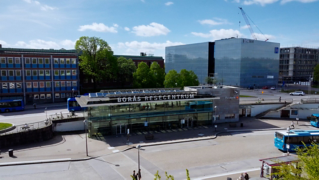
Västtrafik is taking those lessons into its next phase of regional electrification. In the nearby city of Borås, 75 new electric buses are now being deployed across 12 routes, electrifying 10 million passenger journeys annually. Rather than phasing in vehicles, Västtrafik is again transitioning the city’s entire network in one concerted effort.
The strategy is ambitious, but it is no longer untested. Smaller local trials combined with Gothenburg’s five years of operational data on battery performance, charging infrastructure, and passenger patterns have laid a solid foundation.

“We’re going all in,” says Magnus Hagård, Project Manager leading the Borås transition for Västtrafik. “The Gothenburg roll-out showed us what works and where challenges arise. Borås can build on those lessons instead of starting from scratch.”
For Magnus Hagård, the key takeaway for other cities watching the region is simple: “Be brave and dare to take the lead.”